A bride went shopping for her dress in Paris. She asked for satin. The seller showed her a shiny silk cloth. Later, at home, she bought bedsheets labeled sateen. She thought they were the same. But they felt different.
This is where the difference between satin and sateen matters. Many shoppers confuse them. The difference between satin and sateen is about fiber and weave. When buying clothes or sheets, the difference between satin and sateen helps you choose wisely.
In fashion and home décor, the difference between satin and sateen affects shine, feel, and price. Both fabrics look smooth, but they are not the same.
Pronunciation
- Satin
- US: /ˈsæt̬.ən/
- UK: /ˈsæt.ɪn/
- Sateen
- US: /sæˈtiːn/
- UK: /sæˈtiːn/
Now let us explore their real meaning.
Key Difference Between the Both
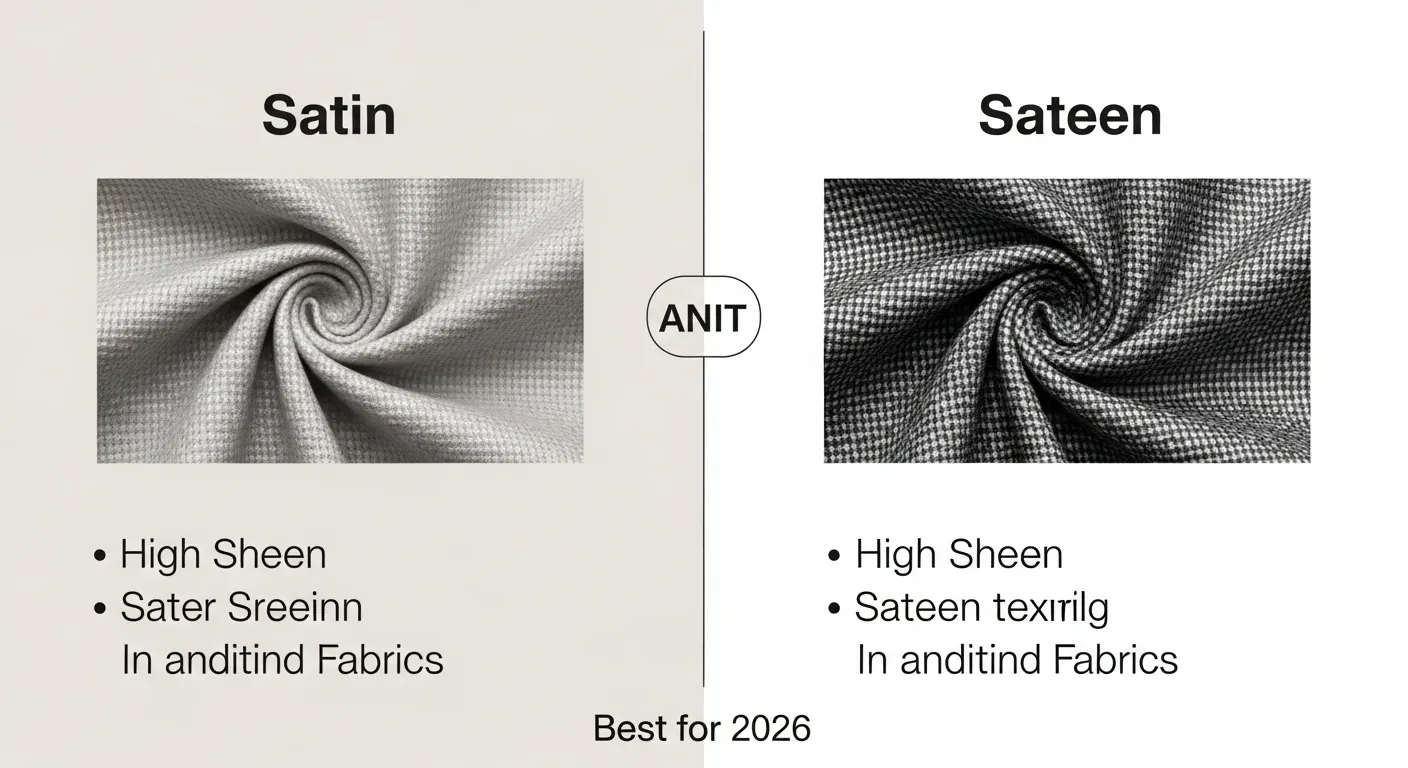
Satin is a weave type. It can be made from silk, polyester, or nylon. It has a glossy surface and dull back.
Sateen is usually made from cotton. It uses a satin weave style but feels softer and warmer.
In short:
Satin = weave style, often silk or synthetic.
Sateen = cotton fabric with satin weave.
Why Is Their Difference Necessary to Know for Learners and Experts?
Fashion students must know fabric types. Interior designers choose sheets and curtains carefully. Buyers want comfort and value. In society, clothing and bedding affect comfort and style. Knowing the right fabric avoids waste and regret. Experts in textiles must explain clearly.
Difference Between Satin and Sateen
1. Material
- Satin can be silk or synthetic.
- Example 1: Silk satin dress.
- Example 2: Polyester satin ribbon.
- Sateen is mostly cotton.
- Example 1: Cotton sateen bedsheet.
- Example 2: Cotton sateen pillowcase.
2. Shine
- Satin is very shiny.
- Example 1: Glossy wedding gown.
- Example 2: Shiny evening dress.
- Sateen has soft shine.
- Example 1: Light glow bedsheet.
- Example 2: Soft sheen curtain.
3. Feel
- Satin feels smooth and slippery.
- Example 1: Slippery scarf.
- Example 2: Smooth party dress.
- Sateen feels soft and cozy.
- Example 1: Soft bed sheet.
- Example 2: Comfortable shirt.
4. Warmth
- Satin is cooler to touch.
- Example 1: Cool summer dress.
- Example 2: Light nightwear.
- Sateen is warmer.
- Example 1: Warm winter sheets.
- Example 2: Cozy bedding.
5. Use
- Satin used in fashion.
- Example 1: Bridal gown.
- Example 2: Stage costume.
- Sateen used in bedding.
- Example 1: Luxury sheets.
- Example 2: Pillow covers.
6. Price
- Satin silk type is expensive.
- Example 1: Designer silk dress.
- Example 2: High-end scarf.
- Sateen is moderate price.
- Example 1: Cotton bed set.
- Example 2: Affordable duvet cover.
7. Durability
- Satin may snag easily.
- Example 1: Torn party dress.
- Example 2: Pulled thread ribbon.
- Sateen is more durable.
- Example 1: Strong bed sheet.
- Example 2: Long-lasting curtain.
8. Care
- Satin needs gentle wash.
- Example 1: Hand wash silk satin.
- Example 2: Dry clean gown.
- Sateen easier to wash.
- Example 1: Machine wash sheets.
- Example 2: Regular ironing.
9. Breathability
- Satin less breathable if synthetic.
- Example 1: Sweaty polyester dress.
- Example 2: Warm synthetic lining.
- Sateen breathable cotton.
- Example 1: Cool cotton bedding.
- Example 2: Fresh pillowcase.
10. Back Surface
- Satin dull back side.
- Example 1: Shiny front, matte back dress.
- Example 2: Ribbon with dull reverse.
- Sateen soft on both sides.
- Example 1: Smooth sheet both sides.
- Example 2: Even texture fabric.
Nature and Behaviour of Both
Satin behaves as elegant and glossy fabric. It flows well. It looks rich.
Sateen behaves as soft and comfortable fabric. It feels cozy. It suits daily use.
Why Are People Confused About Their Use?
The names sound similar. Both have smooth surfaces. Both use satin weave. This causes confusion in stores and online shopping.
Table Showing Difference and Similarity
| Feature | Satin | Sateen | Similarity |
|---|---|---|---|
| Material | Silk or synthetic | Cotton | Smooth surface |
| Shine | High gloss | Soft shine | Satin weave |
| Use | Fashion wear | Bedding | Soft texture |
| Feel | Slippery | Cozy | Elegant look |
| Care | Delicate | Easy wash | Needs gentle care |
Which Is Better in What Situation?
Satin is better for special events. It looks shiny and rich. Also works well for gowns and evening dresses. It gives a luxury feel.
Sateen is better for daily comfort. It is soft and warm. Also works best for bed sheets and pillow covers. It gives restful sleep.
How Are the Keywords Used in Metaphors and Similes?
- “Her voice was smooth like satin.”
- “The night felt soft as sateen sheets.”
Satin suggests glamour.
Sateen suggests comfort.
Connotative Meaning
- Satin: Positive and luxurious.
- Example: “She wore a satin dress.”
- Sateen: Positive and cozy.
- Example: “He slept on sateen sheets.”
Both have positive meaning in fashion and home use.
Idioms or Related Phrases
- “Smooth as satin.”
- Example: “His speech was smooth as satin.”
Works in Literature
- The Satin Slipper – Play, Paul Claudel, 1929
Movies
- The Satin Slipper – 1985, France/Portugal
Five Frequently Asked Questions
1. Is satin the same as sateen?
No. Satin is a weave. Sateen is cotton fabric.
2. Which is better for bedding?
Sateen is better.
3. Is satin always silk?
No. It can be synthetic.
4. Which is shinier?
Satin is shinier.
5. Which lasts longer?
Sateen often lasts longer.
How Are Both Useful for Surroundings?
Both add beauty and comfort. They improve clothing and home style. Both support textile industry.
Final Words for Both
Satin means shine and luxury.
Sateen means softness and comfort.
Conclusion
The difference between satin and sateen lies in material and use. Satin is a weave style often made from silk or synthetic fibers. It looks glossy and elegant. Sateen is cotton fabric made with satin weave. It feels soft and warm. Knowing this helps buyers choose the right fabric for fashion or bedding. Clear knowledge saves money and improves comfort.

I’m Zahid Abbas, an educator, researcher, and digital publishing strategist with a passion for linguistics, grammar, and clear communication. As a content creator and SEO specialist, I craft research-driven, reader-focused content that empowers learners and makes knowledge accessible worldwide.