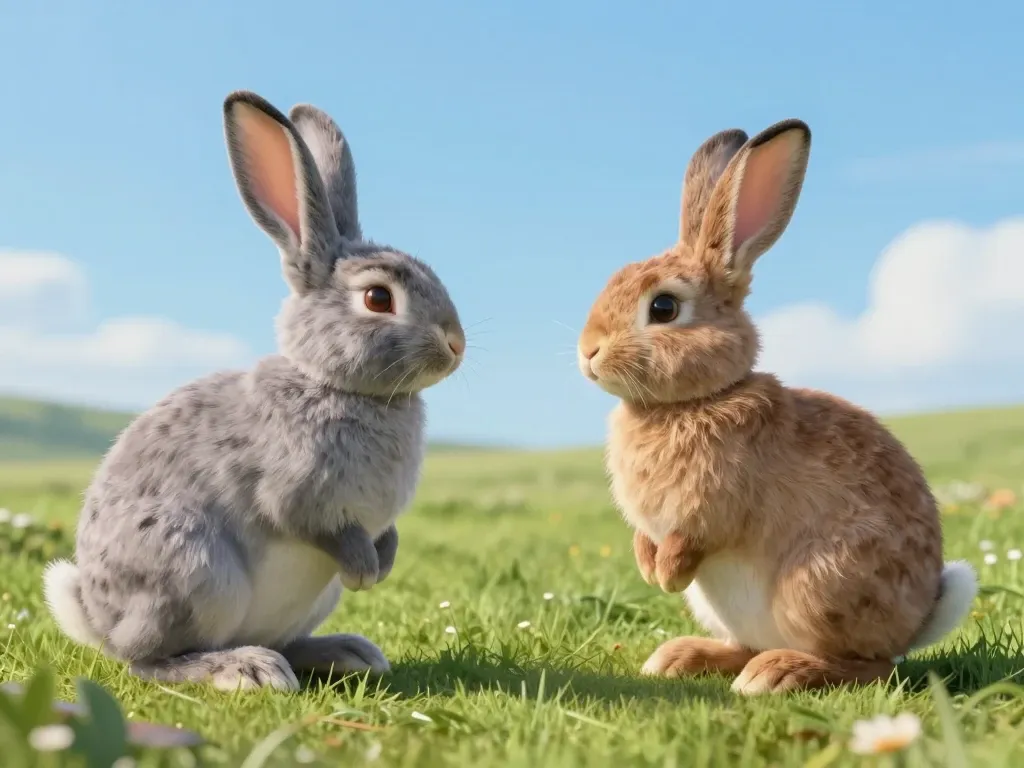
Picture a little girl at a pet store. She points at a soft, small animal in a cage and shouts, “Look, a bunny!” Her dad smiles and says, “That’s a rabbit, honey.” The little girl looks confused. Aren’t they the same thing? This small moment happens all the time. It shows why so many people want to know the difference between rabbits and bunnies.
Most people use these two words like they mean the same thing. And in many ways, they do! But there is still a small difference between rabbits and bunnies that is fun to learn. The word “bunny” feels soft and cute. The word “rabbit” sounds more grown-up and correct. Knowing the true difference between rabbits and bunnies can help you talk about these animals the right way, whether you are writing a school report or just chatting about a family pet.
Read more about https://compareact.com/difference-between-river-and-creek/
The Key Difference
Here is the short answer: rabbits and bunnies are the same animal. There is no real difference between them a bunny and a rabbit are the same creature. But the words are used in different ways. “Bunny” is a soft, cute nickname. People often use “bunny” to talk about young rabbits in a warm, playful way, while “rabbit” is the word used for a full-grown animal.”Rabbit” is the correct science word. “Bunny” is the fun, everyday word.
Why This Difference Matters
Kids, pet owners, teachers, and writers all use these words a lot. If you want to sound clear and correct like in a school paper or a pet care guide “rabbit” is the better word to use. If you want to sound warm and friendly like when talking to a small child “bunny” fits better. Knowing the difference between rabbits and bunnies helps you pick the right word for the right moment. It also helps pet owners understand their animal’s life stages the right way.
How to Say “Rabbit” and “Bunny”
- Rabbit US: RAB-it | UK: RAB-it. Both sound almost the same. The stress is on the first part of the word.
- Bunny US: BUN-ee | UK: BUN-ee. Both sound the same. The stress is on the first part of the word.
Now let’s hop into ten clear ways these two words are used differently.
Difference Between Rabbits and Bunnies
1. Age
“Bunny” often means a young rabbit. “Rabbit” often means a grown-up rabbit.
- Example 1: A tiny baby hopping around its mother is called a bunny.
- Example 2: A big, calm pet that has lived five years is called a rabbit.
2. Tone of the Word
“Bunny” feels soft, cute, and warm. “Rabbit” feels plain and correct.
- Example 1: A birthday card might say, “Happy Easter, little bunny!”
- Example 2: A science book will say, “The rabbit lives in a burrow.”
3. Where the Word Is Used
“Bunny” is used in casual talk. “Rabbit” is used in formal or science settings.
- Example 1: A vet writes in a chart, “The rabbit weighs four pounds.”
- Example 2: A kid says at the zoo, “Look at that fluffy bunny!”
4. Science Use
Only “rabbit” is a real science word.”Rabbit” is the term used in science, while “bunny” shows warmth and affection for the playful, cute side of the animal.</cite>
- Example 1: A biology teacher says, “Rabbits belong to the family Leporidae.”
- Example 2: A children’s book says, “The bunny hopped through the garden.”
5. Behavior at Each Age
Baby rabbits, or bunnies, are helpless and need their mom. Grown rabbits are fast and can care for themselves.
- Example 1: A newborn bunny is blind and cannot move on its own.
- Example 2: An adult rabbit can run fast to escape from danger.
6. Physical Traits
Bunnies are tiny, soft, and still growing. Rabbits are full-sized with strong back legs.
- Example 1: A baby bunny is small enough to fit in one hand.
- Example 2: A grown rabbit can leap several feet in one jump.
7. Use in Pop Culture
“Bunny” shows up in cute, kid-friendly names. “Rabbit” shows up in more serious or nature-based names.
- Example 1: The Easter Bunny is a favorite character for children.
- Example 2: A nature show says, “The wild rabbit dug a den in the field.”
8. Word Origin
Bunny first meant a sweet name for a young girl. Over time, it came to mean a small, young animal, and today it usually means a rabbit. “Rabbit” has always meant the actual animal.
- Example 1: Long ago, someone might call a little girl “my bunny” as a nickname.
- Example 2: Old farm records simply used the word “rabbit” for the animal.
9. Everyday Use with Pets
Pet owners often use both words for the same pet, no matter its age.
- Example 1: A family calls their old pet “our bunny” out of love.
- Example 2: A pet store sign says, “Rabbit for adoption three years old.”
10. Formal Writing vs. Casual Talk
“Rabbit” fits reports, school papers, and pet care guides. “Bunny” fits stories, greeting cards, and casual chats.
- Example 1: A vet’s website says, “Rabbits need fresh hay every day.”
- Example 2: A birthday card says, “Hoppy birthday from your favorite bunny!”
Nature and Behavior: Rabbits vs Bunnies
Baby rabbits, often called bunnies, are born blind, hairless, and fully dependent on their mothers, which makes them a symbol of cuteness and innocence. They stay close to their nest and slowly grow stronger each week.
Grown rabbits act very differently. Adult rabbits are independent, quick, and strong, using their powerful back legs to escape from danger, and they often dig burrows to make their own homes. They need lots of space to move, dig, and explore.
Why Do People Confuse Rabbit and Bunny?
People mix up these words because everyday language and popular culture keep using “bunny” to show love for these animals, even though “rabbit” is the more scientific term. Cartoons, toys, and holiday characters use “bunny” so often that many people forget “rabbit” is the correct word for a grown animal. Since both words point to the very same creature, most people don’t feel the need to pick one over the other.
Table: Difference and Similarity Between Rabbit and Bunny
| Part | Rabbit | Bunny |
| Meaning | Full name for the animal | Soft nickname for the animal |
| Common age use | Adult animal | Young or baby animal |
| Tone | Formal, plain | Cute, warm |
| Used in | Science, pet care guides | Stories, greeting cards, kid talk |
| Word history | Old English farm term | Started as a nickname for a young girl |
| Shared trait | Same species | Same species |
| Shared use | Both used for pets at any age | Both used for pets at any age |
Which Word Is Better in What Situation?
If you are writing something formal like a school report, a vet form, or a pet care guide use the word rabbit. It sounds correct and clear, and it matches the real name of the animal. If you are talking to a small child, writing a birthday card, or telling a fun story, use the word bunny. It feels warm, soft, and playful, which fits happy, casual moments. In truth, most people can use either word for a pet rabbit at home the choice is really about tone, not right or wrong.
Rabbits and Bunnies in Metaphors and Similes
People say “quick as a bunny” to describe someone who moves fast and light on their feet. “Breeding like rabbits” is a common phrase used to describe something that grows or multiplies very fast. Both sayings come from how quickly these animals move and have babies.
Connotative Meaning of Rabbit and Bunny
- Bunny feels positive and warm. It brings up soft, cute, gentle feelings like calling a loved one “honey bunny.” It rarely feels negative.
- Rabbit feels neutral. It is a plain, correct word with no strong feeling attached like saying “dog” or “cat.” In rare cases, it can feel negative, like when someone is called “rabbit-hearted” to mean scared or shy.
Idioms and Sayings About Rabbits and Bunnies
- “Breeding like rabbits” used when something grows or multiplies very fast. Example: The weeds in our yard are breeding like rabbits this summer.
- “Quick as a bunny” used to describe someone fast and light on their feet. Example: She grabbed her bag and ran out the door, quick as a bunny.
- “Pull a rabbit out of a hat” used when someone finds a surprise solution. Example: Our teacher pulled a rabbit out of a hat and gave us an extra day for the project.
Rabbits and Bunnies in Literature
- The Velveteen Rabbit Children’s story, Margery Williams, 1922
- Watership Down Novel, Richard Adams, 1972
- The Tale of Peter Rabbit Children’s story, Beatrix Potter, 1902
- Guess How Much I Love You Children’s story, Sam McBratney, 1994 (features a bunny-like hare)
Rabbits and Bunnies in Movies
- Bambi 1942, USA (features Thumper the rabbit)
- Watership Down 1978, UK
- Hop 2011, USA
- Peter Rabbit 2018, USA/Australia/UK
Frequently Asked Questions
1. Are rabbits and bunnies really different animals?
No. A rabbit and a bunny are the same animal there is no real difference between them.
2. Why do people call baby rabbits “bunnies”?
Because the word “bunny” is often used in a warm, casual way to talk about young rabbits and their playful nature.</cite>
3. Is “rabbit” or “bunny” the correct science word?
Rabbit is the correct science word. “Rabbit” is the more scientifically recognized term, while “bunny” simply shows affection for the animal’s cute, playful side.
4. Where did the word “bunny” come from?
Bunny” first meant a loving nickname for a young girl, and over time it grew to mean a small, young animal, which is now usually a rabbit.
5. Can I call a grown pet rabbit a “bunny”?
Yes! Many pet owners lovingly call their rabbits “bunnies” no matter how old they are. It’s simply a warmer way to say the same word.
How Rabbits and Bunnies Are Useful
Rabbits help gardens and fields by digging burrows that loosen the soil. This helps plants grow better roots. Wild rabbits are also an important food source for owls, foxes, and hawks, which keeps nature’s food chain balanced. As pets, both rabbits and bunnies bring comfort and joy to families, and they teach children how to care gently for another living thing.
Final Thoughts
Rabbit and bunny are two names for one lovable animal. “Rabbit” is the correct, grown-up word used in science and formal writing. “Bunny” is the sweet, playful word used for young rabbits and warm, everyday talk. Neither word is wrong they simply carry a different feeling and fit different moments.
Conclusion
So, is there truly a difference between rabbits and bunnies? Not in the animal itself just in how we use the words. “Rabbit” is the clear, correct name that fits science and formal writing. “Bunny” is the soft, loving nickname that fits children’s stories and everyday chats. Knowing the difference between rabbits and bunnies helps you choose the right word for the right moment, whether you’re writing a school report or wishing someone a “hoppy” birthday. Either way, both words point to the same soft-eared, hopping friend that so many people love.

I’m Zahid Abbas, an educator, researcher, and digital publishing strategist with a passion for linguistics, grammar, and clear communication. As a content creator and SEO specialist, I craft research-driven, reader-focused content that empowers learners and makes knowledge accessible worldwide.